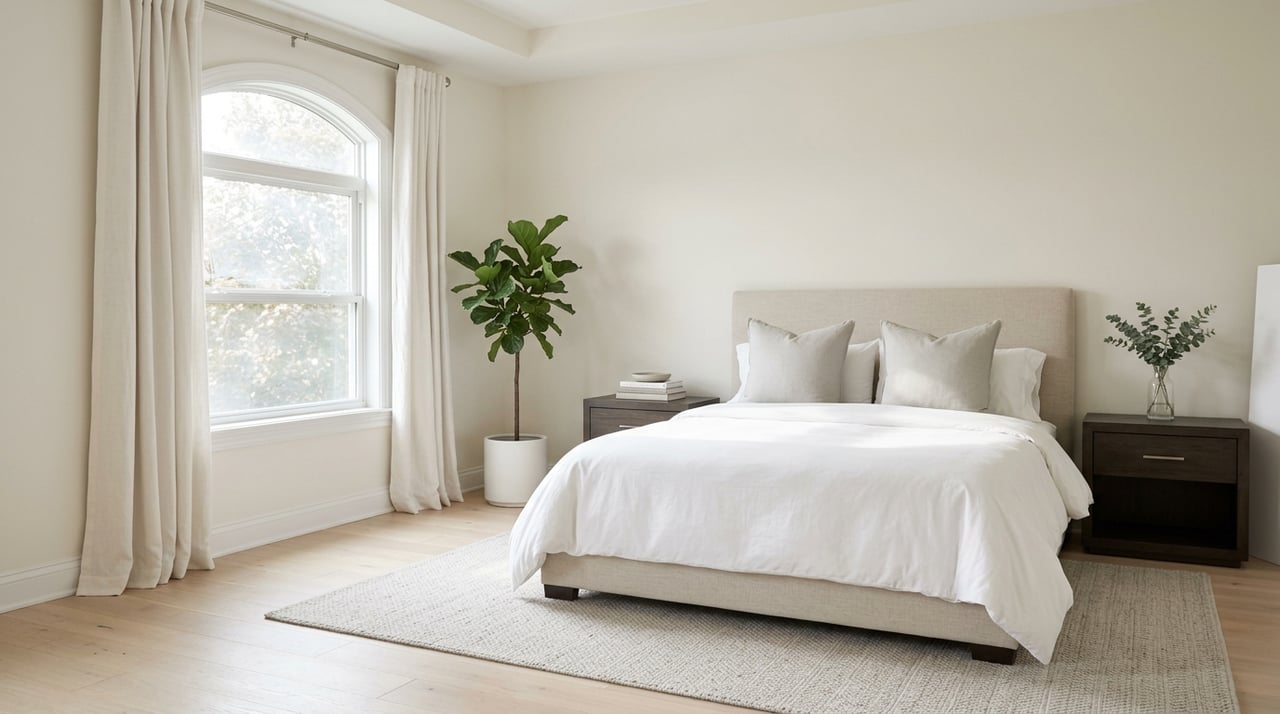
How Strategic Staging Elevates Spring Hill Home Sales
June 18, 2026
June 18, 2026
If your home looks lived in but not clearly presented, you could be leaving buyer interest on the table. In a market like Spring Hill, where buyers often start online and compare homes quickly, the way your space reads in photos and in person matters. The good news is that strategic staging does not have to mean a full makeover to make a strong impression. Let’s look at why staging matters in Spring Hill and how the right updates can help your home stand out.
Spring Hill is a growing market with a lot of homeowner activity. The city’s 2025 population estimate was 61,336, up 21% from 2020, and 73.4% of homes are owner-occupied. With a median owner-occupied home value of $493,800, many sellers are competing in a market where presentation can influence how quickly buyers connect with a home.
Spring Hill also sits about 35 miles south of Nashville and attracts buyers looking at commuter-friendly suburban options. According to Redfin data for the three months ending May 2026, the median sale price was $542,176, homes sold in about 65 days, and 16.3% sold above list price. That points to a somewhat competitive market where polished homes can help capture attention faster.
Online presentation matters here too. Census data shows that 99.6% of Spring Hill households have a computer and 98.9% have broadband subscriptions. That means most buyers will likely experience your home first through photos, video, and virtual tours before they ever step inside.
Staging is best understood as a marketing tool, not a magic trick. Its job is to help buyers understand the space, imagine daily life there, and feel an emotional connection when they see the home online or in person. When rooms look clear, balanced, and purposeful, buyers spend less energy decoding the layout and more energy picturing themselves living there.
That idea is backed by the 2025 Profile of Home Staging from the National Association of Realtors. In that report, 83% of buyers’ agents said staging made it easier for a buyer to visualize the property as a future home. Sellers’ agents also reported that staging often helped reduce time on market, though results varied.
It is important to stay realistic. Research does not support a guarantee that staging will always raise your final sale price. What it does support is that staging can improve readability, visualization, and overall presentation, which are all valuable advantages in a competitive market.
Not every room needs the same level of effort. If you want to focus your time and budget where buyers tend to notice most, start with the spaces that carry the most visual and emotional weight.
According to NAR’s 2025 staging data, buyers ranked these rooms as the most important:
Sellers’ agents also most often staged the living room, primary bedroom, dining room, and kitchen. For many Spring Hill homes, it also makes sense to define at least one flexible room clearly so buyers can quickly understand how it functions.
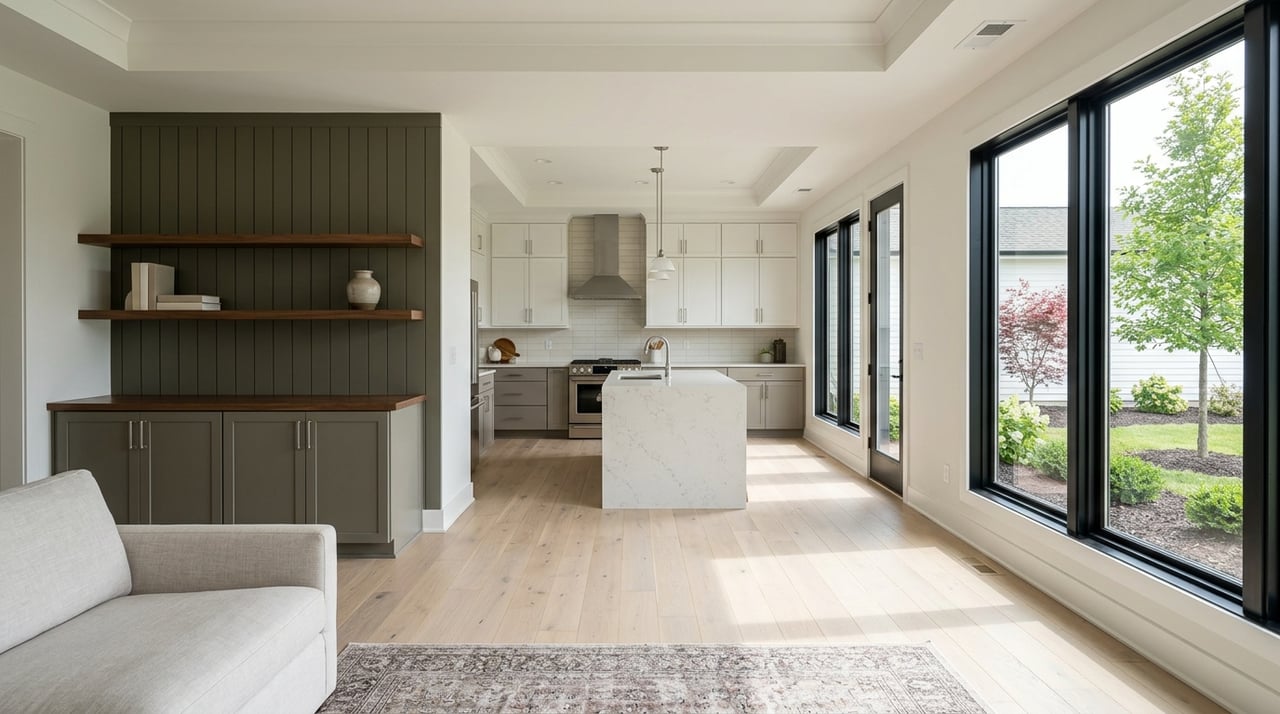
The living room often shapes the first impression of the home’s interior. If the furniture is oversized, pathways are blocked, or accessories are everywhere, the room can feel smaller and less functional than it really is. In listing photos, that clutter can make the entire home seem harder to read.
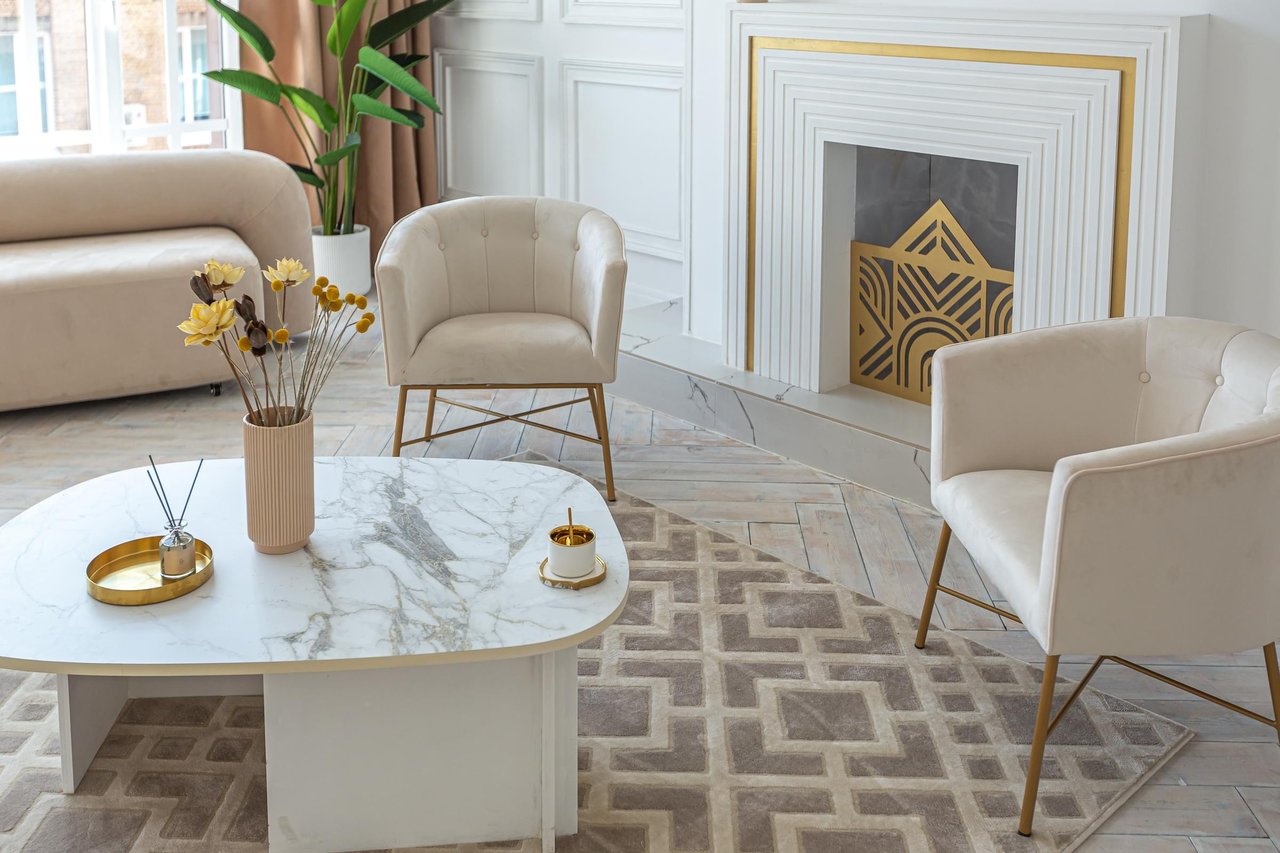
A stronger setup usually includes one clear seating arrangement, lighter textiles, and a visible focal point. You want the room to feel open, easy to move through, and simple to understand in one glance. In many Spring Hill homes with open-concept layouts, this room sets the tone for the kitchen and dining spaces too.
Buyers respond well to bedrooms that feel restful and spacious. A crowded layout, busy bedding, or mismatched furniture can make the room feel visually noisy. Even if the square footage is solid, the wrong setup can distract from that.
Simple linens, balanced lamps, and open space around the bed can make a major difference. The goal is not to make the room look empty. The goal is to make it feel calm, intentional, and easy to picture as a retreat.
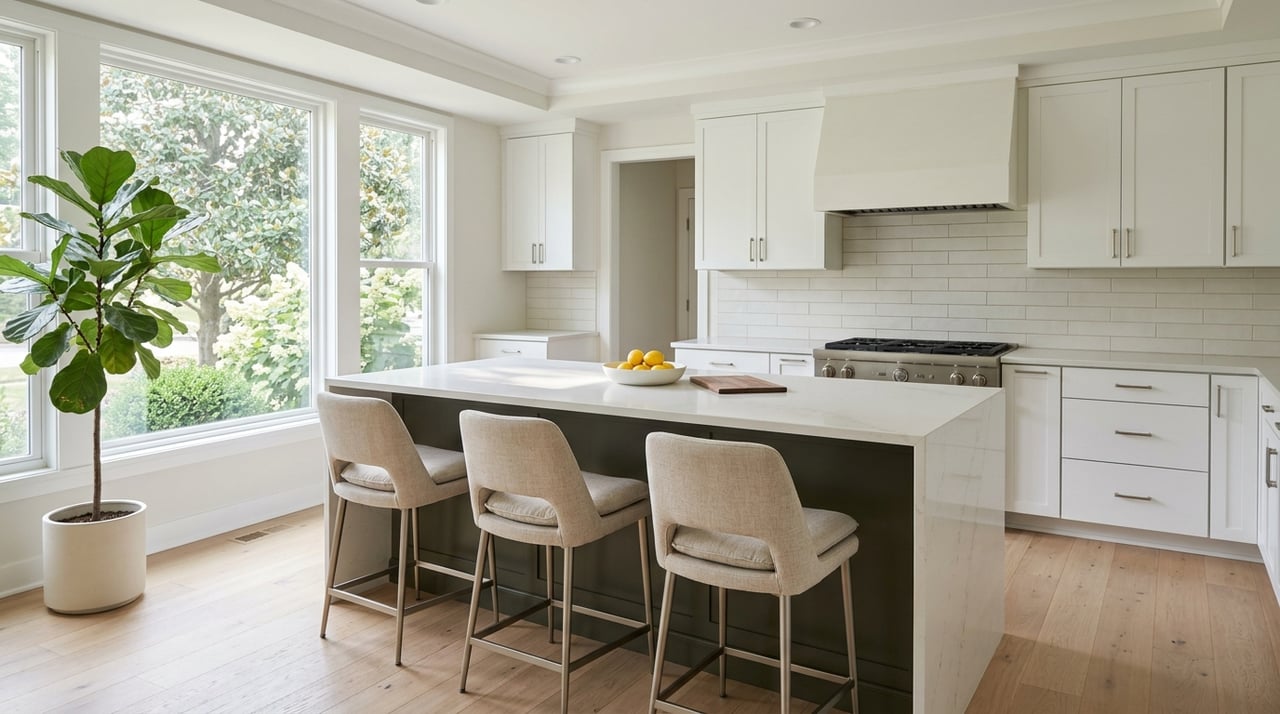
The kitchen is one of the most scrutinized rooms in any listing. Buyers notice counter clutter, poor lighting, and surfaces that feel overfilled. Even a well-maintained kitchen can lose impact if every small appliance is out and every corner competes for attention.
Start by clearing counters as much as possible. Add one small styled moment, such as a simple bowl or a neat tray, and make sure task lighting is bright and even. A kitchen that looks clean and manageable often feels more inviting and easier to maintain.
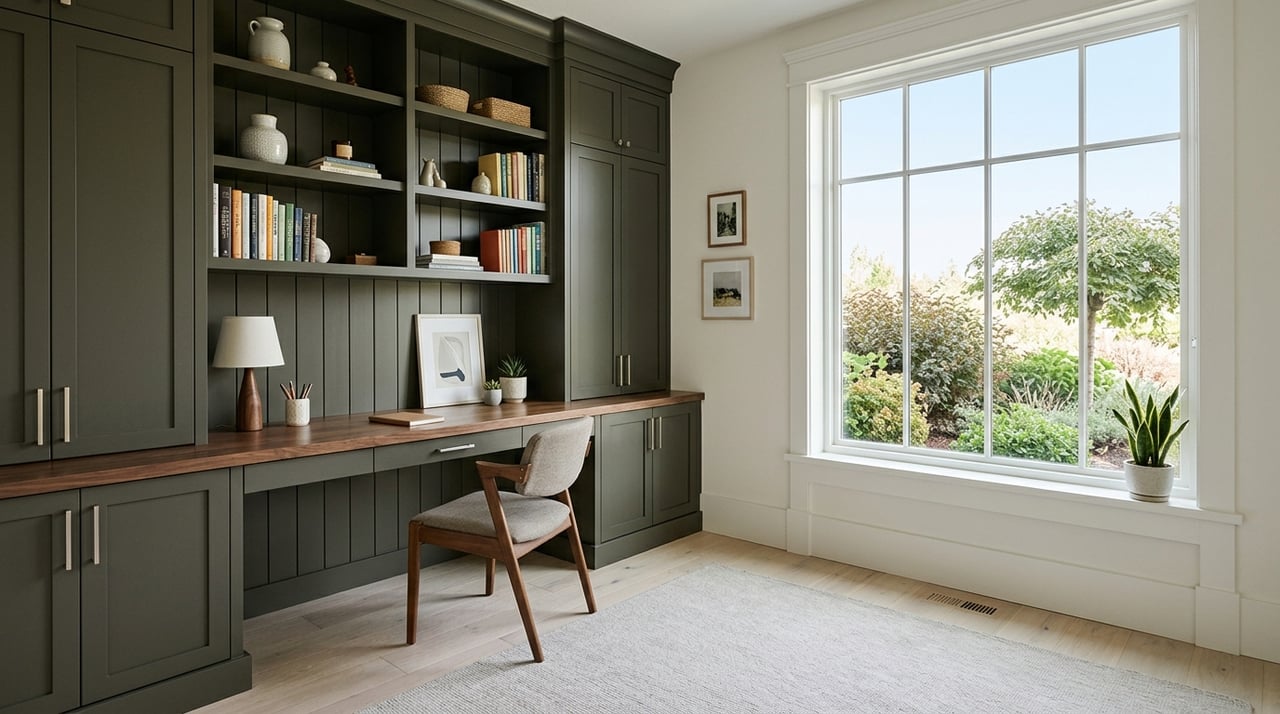
One of the easiest ways to lose buyer momentum is to leave a room undefined. If a flex room becomes a storage zone, buyers may struggle to understand its value. That is especially true in a market where many households want homes that support changing daily routines.
Instead, give the room a simple, obvious role. It could read as a home office, guest room, or study area. In Spring Hill’s owner-occupied market, that kind of clarity helps buyers connect the home to real day-to-day function.
Strategic staging is often more about editing than replacing. You do not always need to rent an entire house full of furniture to improve presentation. In many cases, the biggest gains come from making the home feel brighter, cleaner, and easier to understand.
DIY-friendly prep in the Greater Nashville market often starts with:
These changes support the same goal as full staging. They help buyers focus on the home itself instead of the distractions around it.
Staging is not just about open houses or private showings. It is also about how your home performs online, where many buyers decide which listings are worth a closer look. In NAR’s 2025 report, buyers said photos were highly important, along with physical staging, video, and virtual tours.
That matters in Spring Hill because local households are highly connected online. A well-staged home can look cleaner, brighter, and more spacious in digital marketing. When your listing photos tell a clear visual story, buyers are more likely to save the property, share it, and schedule a showing.
The best expectation is not “staging guarantees more money.” A better and more accurate expectation is that staging can improve how your home is perceived. That can help buyers visualize the property more easily and may support stronger engagement once your listing hits the market.
Research points in that direction, but results vary. NAR found that 29% of sellers’ agents reported a 1% to 10% increase in the dollar value offered, and 49% said staging reduced time on market. At the same time, older research found that while neutral finishes and good furnishings improved overall opinion, staging alone did not always produce a higher selling price.
That is why strategy matters. The goal is to match the level of staging to the home, the price point, and the likely buyer expectations in your part of the Spring Hill market.
When your home is staged well, buyers do less guessing. They can see where conversations happen, where meals happen, where work happens, and where everyday clutter disappears. That kind of clarity is powerful because it makes the home feel usable, comfortable, and ready for the next chapter.
In a growing suburban market like Spring Hill, that edge can matter. Buyers are often comparing several homes in a similar price range, and the one that feels the most polished and easiest to understand can leave the strongest impression. Strategic staging helps your home compete on more than square footage alone.
If you’re getting ready to sell in Spring Hill, thoughtful styling and smart marketing can make a real difference in how your home shows and how buyers respond. For personalized guidance on pricing, presentation, and design-forward listing strategy, connect with Gabrielle Grooters.
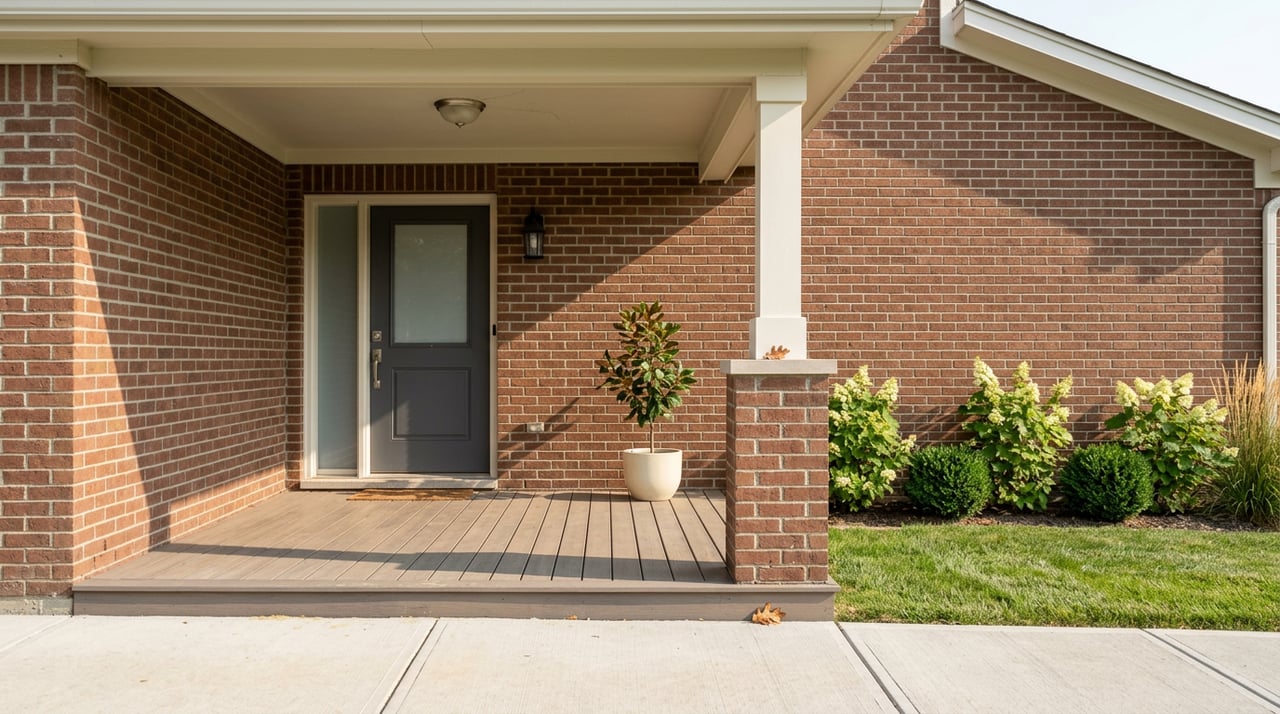
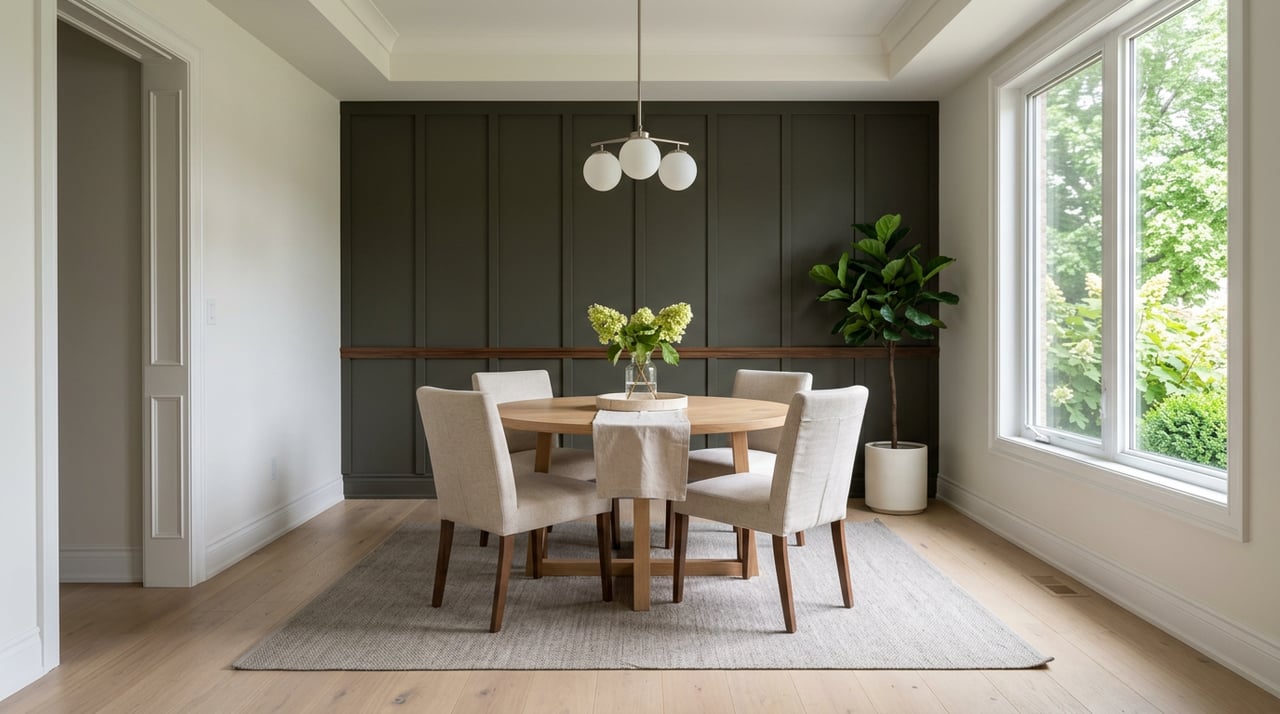
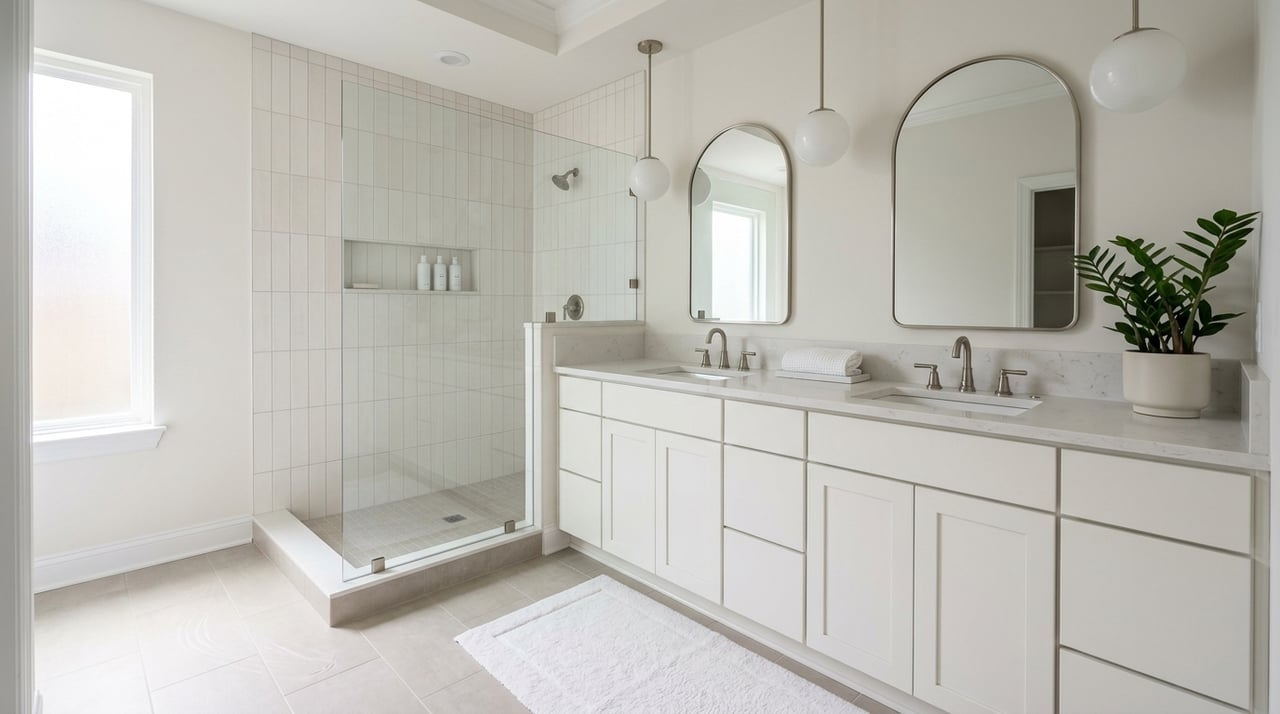
I blend proven market strategies with a passion for interior design to showcase your home at its best and help you move with confidence. Every detail matters—and I'm here to ensure your journey is smooth, supported, and beautifully executed.
Gabrielle Grooters
5083 Main St Spring Hill, TN 37174