Trying to choose between Spring Hill and Franklin for your next home? You are not alone. Both offer strong communities, good access to Nashville, and a range of home styles, but the day-to-day feel and price points are different. In this guide, you will get a clear, side-by-side look at prices, commutes, schools, amenities, and growth so you can decide which suburb fits your life best. Let’s dive in.
Quick snapshot: Spring Hill vs Franklin
- Population: Spring Hill ~59,400; Franklin ~89,100 (July 1, 2024 estimates from U.S. Census QuickFacts and Franklin QuickFacts). Spring Hill has grown faster by percentage since 2020.
- Typical home prices: Spring Hill often in the low-to-mid $500,000s. Franklin typically in the $800,000 to $900,000 range. These are late 2025 to early 2026 snapshots reported by major trackers; exact values vary by neighborhood and date.
- Commute baselines: Mean travel time to work is about 29.5 minutes in Spring Hill and 24.5 minutes in Franklin, per Census averages.
- Distance to Nashville: Spring Hill sits about 30 miles south; Franklin is closer at roughly 20 miles, which can reduce drive time for many commuters (Spring Hill overview).
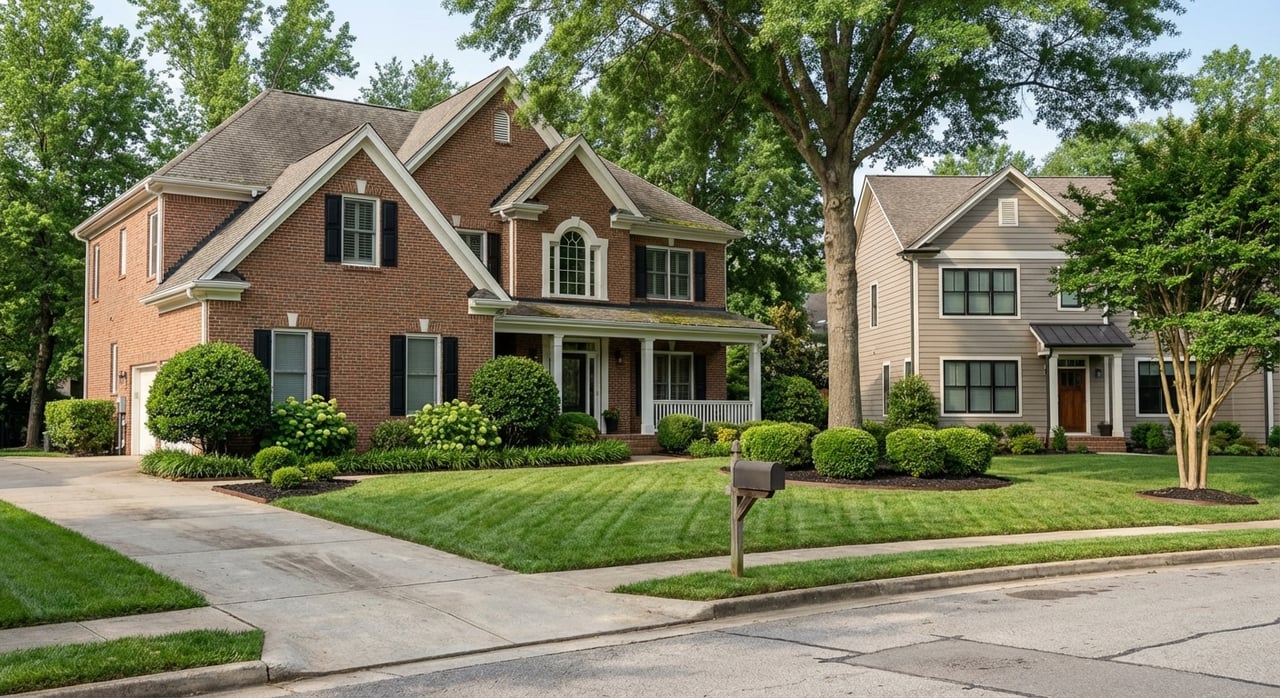
- Overall vibe: Spring Hill reads newer and family-oriented with many master-planned communities and parks. Franklin offers historic charm, a walkable downtown core, and quick access to major job centers.
Home prices and value
You will notice an immediate difference in entry price. In Spring Hill, late 2025 snapshots placed the median sale and list prices roughly in the low-to-mid $500,000s (sources: Redfin and Realtor.com, Dec 2025). In Franklin, the median sale hovered in the $800,000s in Dec 2025, and Zillow’s home value index was near $900,000 as of Jan 31, 2026. Exact figures move with the market, and each city contains sub-markets that can swing higher or lower.
Neighborhood selection matters. In Franklin, historic central pockets, planned communities like Westhaven, and areas near CoolSprings trade at different premiums. In Spring Hill, pricing varies by subdivision, builder, and lot size, with many newer homes offering modern layouts.
What your budget buys
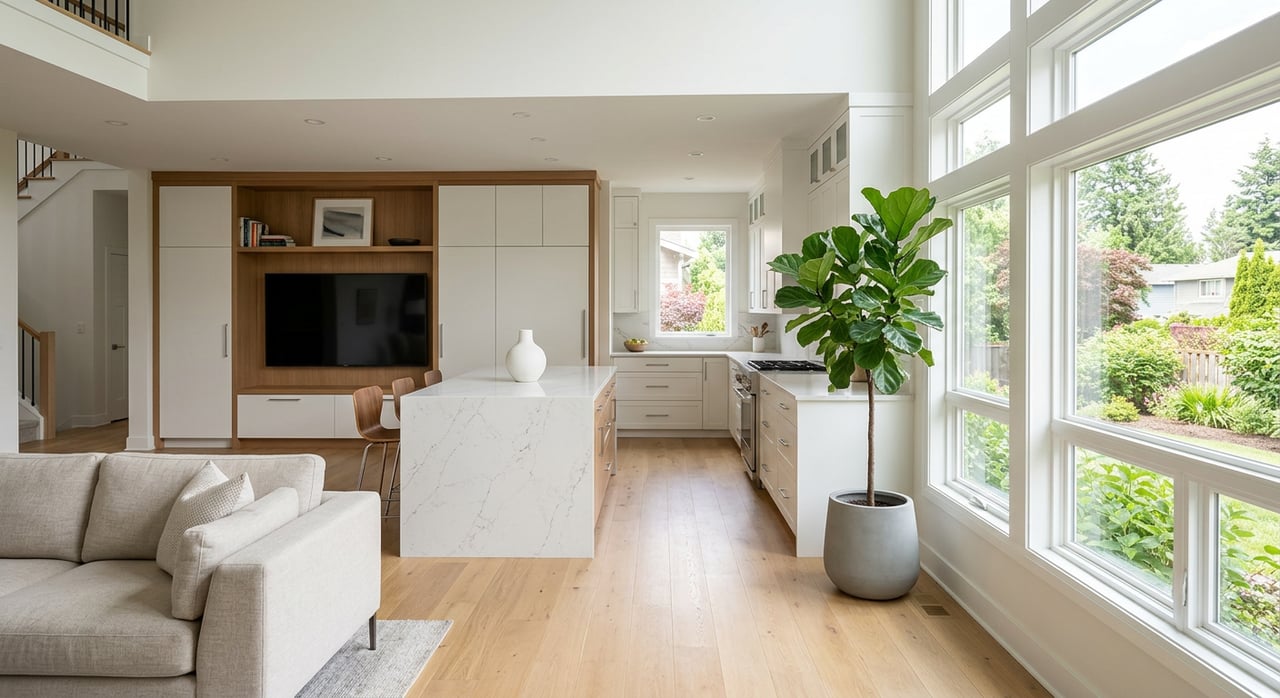
- Spring Hill: Around the mid $500,000s can often target a newer single-family home with an open floor plan, multiple bedrooms, and a yard, typically in a planned community setting.
- Franklin: To find similar square footage and finish levels, many buyers budget $800,000 to $900,000 or more, especially closer to historic or high-amenity areas.
Resale outlook
- Franklin: A premium market supported by school reputation, a preserved historic core, and proximity to major job nodes. Local preservation practices that limit certain kinds of infill can support long-term value stability in central areas (Franklin Historic Preservation Plan).
- Spring Hill: Competitive purchase prices and lots of newer inventory appeal to value-focused buyers. A current planning note is the city’s sewer capacity framework tied to a TDEC Consent Order, which limits some non-vested new sewer connections and can affect new-build timelines. This may influence near-term supply pacing and builder delivery schedules (City of Spring Hill update).
Housing styles and inventory
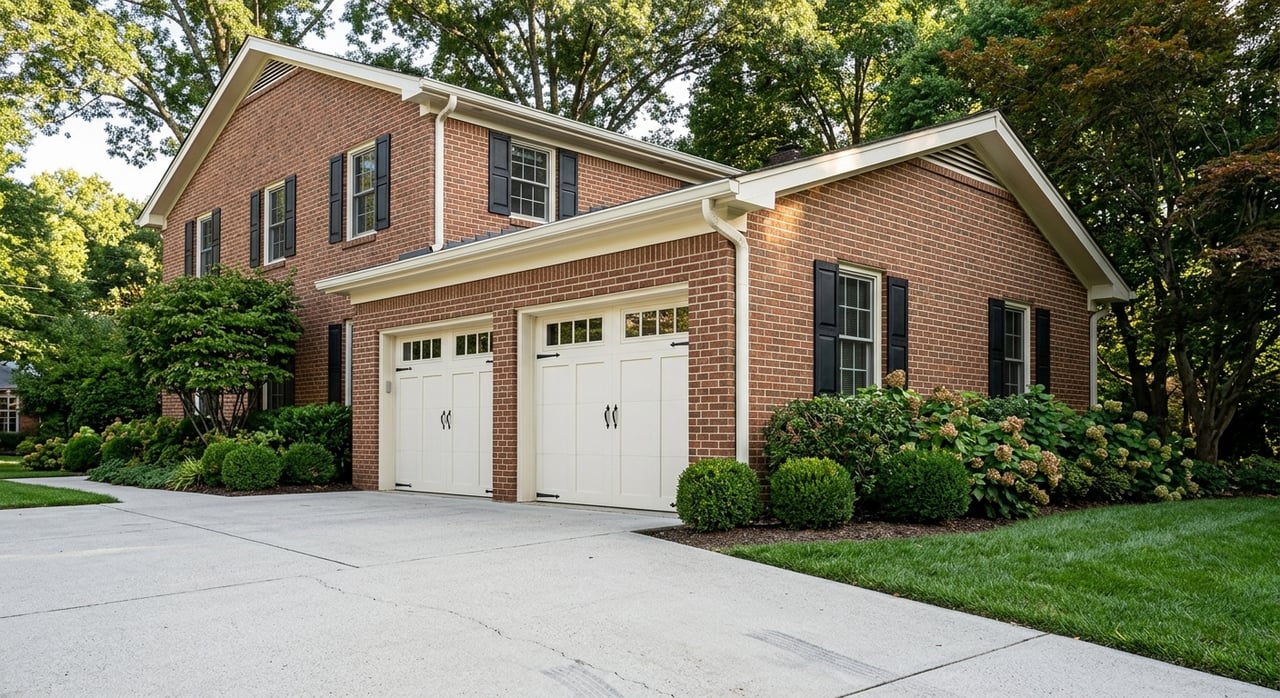
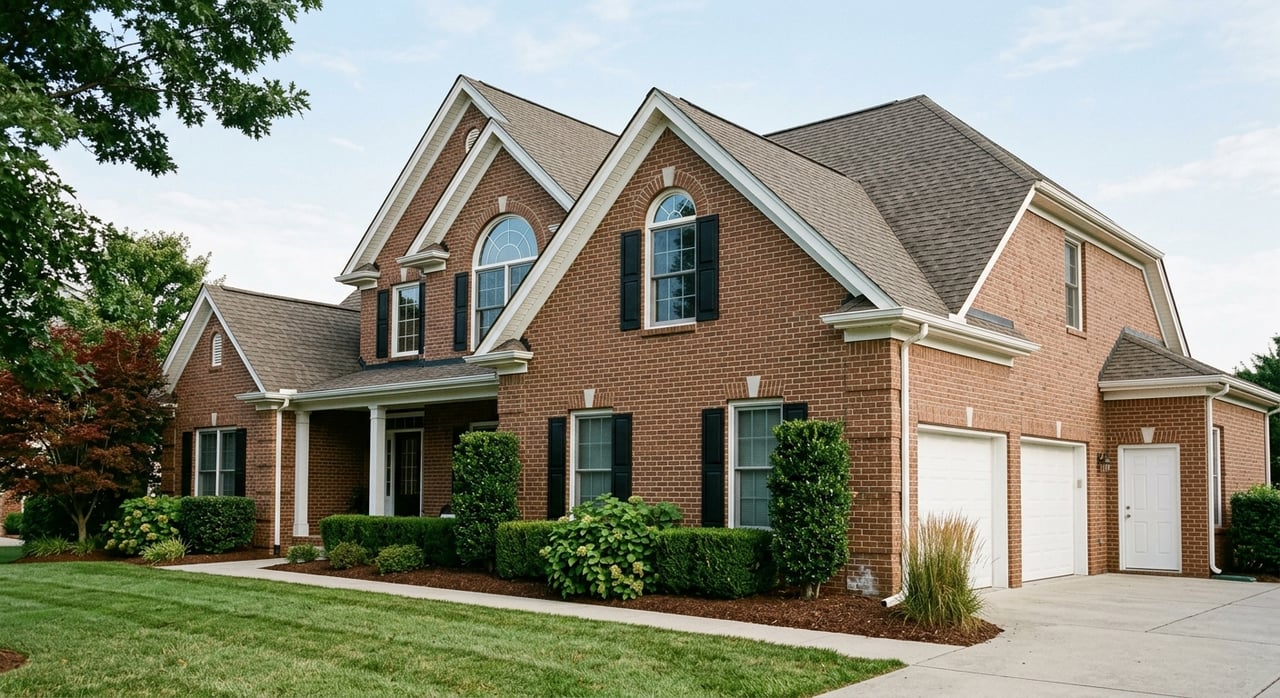
- Spring Hill: Expect many master-planned subdivisions and recent construction. Floor plans often feature open concepts, larger primary suites, and modern kitchens. National and regional builders are active, with examples like D.R. Horton’s Harvest Point community that highlight the area’s newer-home profile (Harvest Point example).
- Franklin: A broader mix. You will find preserved historic homes near downtown, established mid-price subdivisions, and high-end custom neighborhoods. Buyers drawn to character, walkability, or luxury finishes often start here, though pricing reflects demand.
Commute and access
Franklin’s closer-in location gives it an edge for many commuters, especially those tied to CoolSprings or I-65 corridors. Spring Hill sits about 30 miles from downtown Nashville, while Franklin is closer to 20 miles. That distance difference can add up to meaningful time savings, depending on your route and work hours (Spring Hill overview).
City-wide averages from the U.S. Census show mean travel times around 29.5 minutes in Spring Hill and 24.5 minutes in Franklin. Treat those as baselines. Your specific address-to-workplace route, time of day, and employer flexibility will matter most.
Both suburbs are primarily car dependent. If you rely on public transit or vanpools, confirm employer options and park-and-ride feasibility. When commute is a top factor, test a few real drive times during your typical rush hour before you decide.
Schools and zones
Franklin is served by Williamson County Schools, a district widely recognized for strong performance across many campuses. Spring Hill addresses are primarily zoned to Maury County Public Schools, where local schools post a range of outcomes. Use neutral, data-based comparisons and confirm the specific school assignment for any property before you offer.
- Review district snapshots: Williamson County Schools overview and Maury County Schools overview on Public School Review.
- Verify attendance zones: Boundaries change. Always check the current district lookup for a property’s exact school before you rely on a listing description.
- Consider private options: Both areas have access to private and independent schools within driving range. Contact schools directly to confirm programs, transportation, and availability.
Lifestyle and amenities
- Spring Hill: You will find family-friendly parks and recreation, including Evans Park, Fischer Park at Port Royal, and the Walnut Street skatepark. The city’s Parks and Recreation programming and greenway planning continue to expand community amenities (Spring Hill Parks & Recreation).
- Franklin: Historic Main Street, boutiques, dining, and frequent events create an active year-round scene. Nearby job and shopping hubs include CoolSprings and corporate campuses, with a strong mix of restaurants and services.
Taxes, HOA fees, and carrying costs
Property taxes vary by county and by property. In Tennessee, residential assessed value is 25 percent of appraised market value. You then multiply the assessed value by the combined tax rate for your jurisdiction to estimate the bill. Because median home values in Williamson County are higher, the dollar amount many homeowners pay in Franklin often exceeds what a similarly taxed median-value home in Maury County might pay, even if the effective tax rates are similar. For quick county-level comparisons, see the Tennessee property tax guide from SmartAsset, and always confirm the parcel’s current bill with the county assessor.
HOA fees are common in many subdivisions in both cities. Amenities and fees vary widely. Ask for the full HOA documents and budget when you evaluate a neighborhood so you understand rules, capital reserves, and any planned assessments.
New construction and growth
Spring Hill’s rapid growth has shaped its housing stock and community investment. A current planning headline is the TDEC Consent Order and the city’s sewer connection framework for non-vested projects, which can limit or sequence new hookups until performance targets and capacity expansions are achieved. If you are considering new construction or a to-be-built home, ask directly about a development’s sewer allocation status and any expected timing impacts for closings (City of Spring Hill update).
Franklin’s central neighborhoods see strong demand and limited infill, with historic preservation policies that help maintain character. This combination supports price stability over time, but it also keeps entry prices higher in many close-in areas (Franklin Historic Preservation Plan).
How to choose your best fit
Use this quick decision framework to align the suburb with your priorities:
- Define your budget band
- Decide your max comfortable payment and price range. In general, Spring Hill stretches dollars further on square footage and new-construction features. Franklin often demands a higher entry price for location and amenities.
- Map your commute
- Test your actual route during peak times. If you work in CoolSprings or central Franklin, the location savings can be significant. If you have hybrid flexibility, Spring Hill’s value might outweigh a few extra minutes on the road.
- Verify schools by address
- Confirm the exact attendance zone for any property on your shortlist. Review district data from neutral sources and call schools or districts with zoning questions.
- Compare neighborhood feel
- If you love a walkable historic core and a polished downtown, Franklin will resonate. If you want newer floor plans, a yard, and community pools or playgrounds, Spring Hill communities will likely fit your brief.
- Check new-build timing
- For Spring Hill new construction, ask whether the community has vested sewer rights or is subject to the city’s allocation process. Get expected delivery dates in writing.
- Review carrying costs
- Pull estimated property taxes for any address and request HOA documents early. Factor utilities, insurance, and any amenity fees into your total monthly budget.
Ready to compare homes side by side?
Whether you lean toward Spring Hill’s newer communities or Franklin’s historic charm, a local guide can help you match budget, commute, schools, and lifestyle without guesswork. If you want thoughtful home styling advice, pricing strategy, and neighborhood expertise across Maury and Williamson County, connect with Gabrielle Grooters for a friendly, data-driven consult.
FAQs
What are the 2026 price differences between Spring Hill and Franklin?
- Late 2025 to early 2026 snapshots show Spring Hill medians in the low-to-mid $500,000s and Franklin near the $800,000 to $900,000 range, with exact values varying by neighborhood and date.
How long is the average Spring Hill commute to work?
- The Census reports a mean travel time of about 29.5 minutes for Spring Hill workers citywide. Your actual commute will depend on your address, route, and work hours.
Which school districts serve Spring Hill and Franklin?
- Most Spring Hill addresses are in Maury County Public Schools, while Franklin is served by Williamson County Schools. Always verify the exact school assignment for a specific property with the district.
How could Spring Hill’s sewer framework affect a new build?
- The city’s TDEC Consent Order and sewer allocation framework may limit or sequence new connections for non-vested projects, which can impact build timelines. Ask builders about allocation status and expected delivery dates.
How do property taxes compare between Maury and Williamson counties?
- Because home values in Williamson County are typically higher, many Franklin homeowners pay a larger dollar amount even when effective rates are similar. Use Tennessee’s 25 percent assessment formula and confirm each parcel’s current bill with the county assessor.