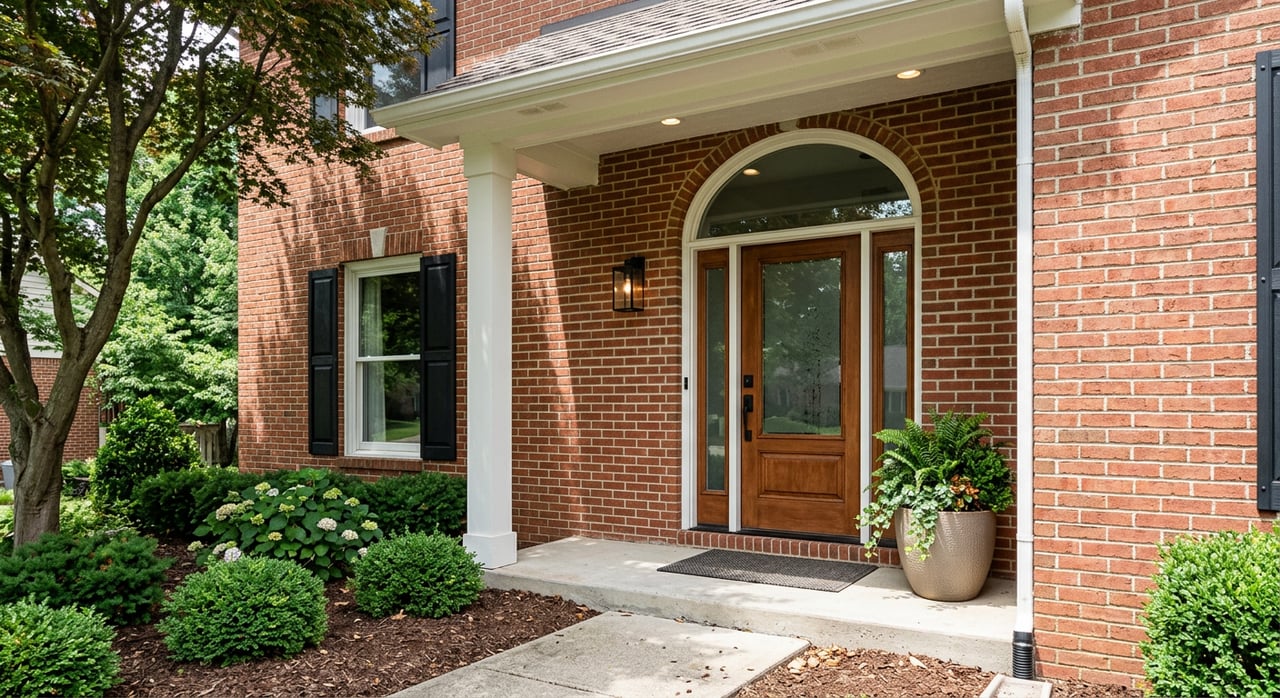
Price Your Spring Hill Home With a Smart Local Strategy
March 5, 2026
March 5, 2026
Not sure what your Spring Hill home is really worth right now? You are not alone. With shifting monthly data, a split between Maury and Williamson counties, and plenty of new construction, setting the right price can feel tricky. This guide shows you how local agents price in Spring Hill, what actually moves value on the Maury side, and a simple plan to launch, measure, and adjust with confidence. Let’s dive in.
You will see different numbers depending on the source and time frame. As of January 31, 2026, Zillow’s Typical Home Value for Spring Hill was about $513,226. You can see the latest on Zillow’s Spring Hill page.
For listing trends, Realtor.com’s recent charts showed a median list price near $552,893 through December 2025, with Spring Hill sitting on the higher side of Maury County prices. Check the current figures on Realtor.com’s Spring Hill market page.
Several sold-price snapshots put the recent median sold price in the high $400Ks to low $500Ks, with median $/sqft around $234 in mid-2025. See the trend on the RocketHomes/MLS snapshot.
Each source uses a different method and time window. ZHVI is an index of typical values, Realtor.com focuses on list prices, and MLS snapshots reflect closed sales. Also, Spring Hill’s metrics moved from more seller-leaning in late 2025 to softer in early 2026, with months of supply and time to contract rising in January. A January 2026 local writeup explains how seasonality and data windows drive that shift. The key takeaway: use the most current, local sold comps for your subdivision when you set list price.
A solid Comparative Market Analysis (CMA) starts with recent solds from the last 3 to 6 months, then layers in pending and active listings. You want comps inside your subdivision or a tight radius and within about 10 to 20 percent of your home’s square footage. For an overview of standard CMA practice, see NAR’s consumer guide to pricing and CMAs.
Agents adjust for differences like finished square footage, beds and baths, garage count, lot size, condition, and upgrades. For example, a freshly updated kitchen, outdoor living area, or a finished basement can justify a premium over an otherwise similar home. On the Maury side of Spring Hill, popular floor plans and move-in-ready finishes often narrow the gap with newer builds nearby.
Solds show what buyers actually paid. Actives and pendings show your current competition and the price bands buyers see online. Your CMA should deliver a value range (low, mid, high) plus a pricing strategy that fits your goal: faster sale or maximum price.
Spring Hill spans Maury and Williamson counties, and that matters. A January 2026 summary showed a meaningful premium on the Williamson side, with a reported median around $673,500 versus about $443,750 on the Maury side. You can read the detail in this county-split overview. Always confirm your county on tax records and filter comps by the correct side so you do not price off the wrong market segment. Keep school zones in mind as a neutral search factor, since many buyers filter searches that way.
New-home inventory creates a visible price ceiling in some submarkets. If a nearby builder offers incentives, buyers may compare your resale home more closely on finishes and condition. Treat new construction as a separate but critical comp set when you price.
Large employers like GM Spring Hill and the Ultium Cells battery plant influence local demand and move patterns over time. For context on local investment, see the Ultium Cells battery plant announcement. Use employment news as background, not a direct price guarantee, and rely on fresh sold comps for valuation.
Proximity to The Crossings retail corridor, neighborhood pools and clubhouses, sidewalks, green space, and parks like Fischer Park can support premiums in buyer eyes. Current city work, such as projects on Spring Hill’s paving list, may also influence micro-location appeal.
Open layouts, updated kitchens and baths, energy-minded improvements, and clean outdoor spaces are often top of mind for Spring Hill buyers. Small, high-visibility updates can boost perceived value, shorten time on market, and support stronger offers.
Use this simple sequence to prepare, launch, and adjust with clarity.
Pre-listing, 4 to 8 weeks out:
Launch and first 14 days:
If activity lags:
Here is a simple example to show how pricing connects to your bottom line. This is an illustration, not a quote.
Seller expenses vary by deal. Common costs include commissions, title and closing fees, prorations, and any buyer concessions. A broad rule of thumb is that total seller costs, including commission, often land in the 8 to 10 percent range of the sale price. Use a detailed net sheet with your exact payoff and prorations to confirm your numbers.
The first two weeks are your most important window. If buyer traffic is thin compared to similar listings and you have no full-price or near-list offers, treat that as a signal. A strategic price correction early usually performs better than multiple tiny cuts over many weeks. After a single right-sized move, monitor fresh interest and adjust your marketing as needed.
You deserve a pricing plan that is local, clear, and designed to net you more. If you want a detailed CMA, staging guidance, and a 14-day launch plan tailored to your Spring Hill home in Maury County, connect with Gabrielle Grooters. She blends market expertise with design-forward presentation to help you sell smarter.


I blend proven market strategies with a passion for interior design to showcase your home at its best and help you move with confidence. Every detail matters—and I'm here to ensure your journey is smooth, supported, and beautifully executed.

Gabrielle Grooters
5083 Main St Spring Hill, TN 37174