Spring Hill New Construction Vs Resale Homes: How To Choose
June 11, 2026
June 11, 2026
If you are house hunting in Spring Hill, one of the first big decisions is not just which home to buy, but what kind of home fits you best. In this market, you are often choosing between brand-new construction in active communities and resale homes in more established neighborhoods. Each path can work well, but the right choice depends on your timeline, budget, and the way you want to live. Let’s dive in.
Spring Hill is not a market where buyers have only one clear path. Public market snapshots show a mix of homes for sale, including resale houses, townhomes, condos, and a large number of new-construction options.
That matters because your decision is less about whether one category exists and more about which type of property matches your priorities. In Spring Hill, you can compare planned new-home communities with established neighborhoods that offer a different kind of setting and lot layout.
It is also important to remember that Spring Hill spans both Maury and Williamson counties. The exact address can affect taxes, planning context, and utility considerations, so you should verify the county for any home you are considering.
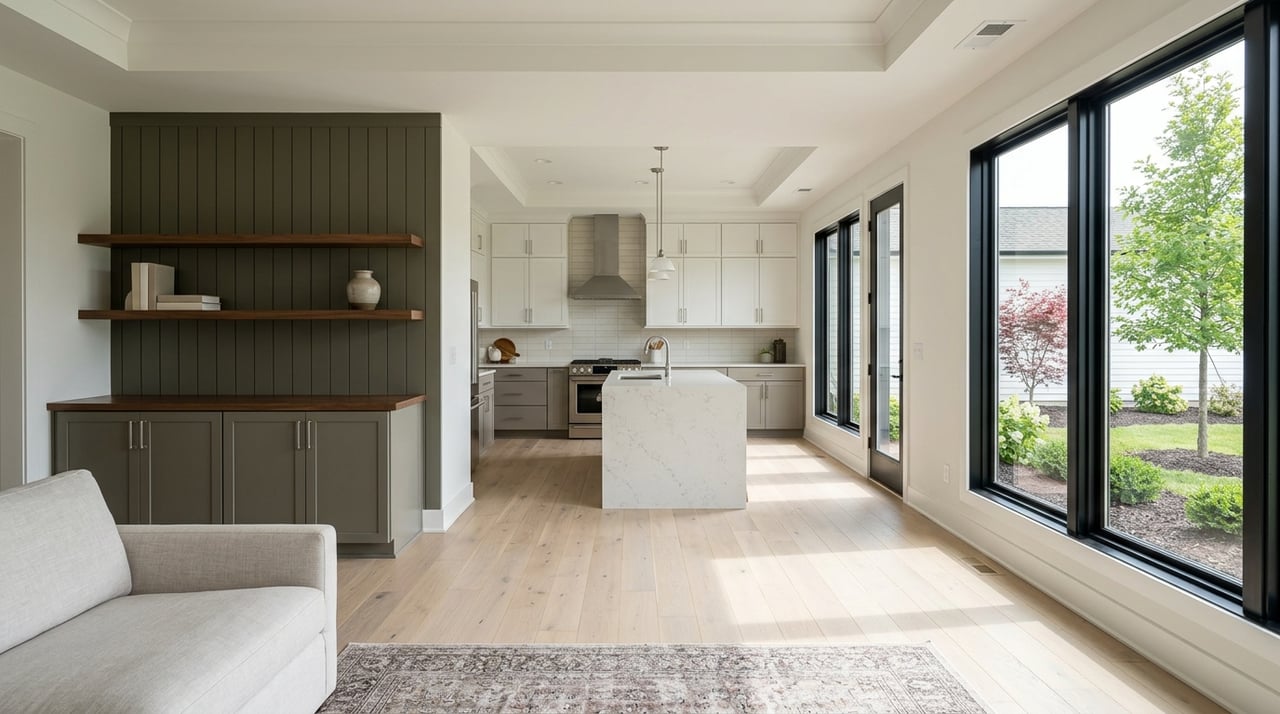
New construction in Spring Hill often means modern layouts, community amenities, and the chance to personalize parts of the home. Current examples in the market show that buyers can find a range of home types, from single-family homes to townhomes and other planned-community options.
June Lake is one of the clearest examples of Spring Hill’s development pipeline. The city describes it as a 775-acre mixed-use project tied to the new I-65/Buckner Road interchange, with plans for 2,900 homes along with retail, restaurants, office space, and hotel uses.
Other communities show what buyers can expect from active new construction today. Harvest Point features multiple floorplans, 3- to 5-bedroom layouts, open-concept living, smart-home features, and exterior finishes such as James Hardie siding with brick and stone accents.
Marlon’s Creek highlights the more customizable side of the market. Buyers there can choose from planned floor plans and may be able to personalize selections, while builder incentives may be available for closing costs, rate buydowns, or upgrades.
If you are leaning toward new construction, these are some of the biggest reasons buyers choose it in Spring Hill:
For example, June Lake’s published amenity package includes clubhouses, a pool, pickleball courts, a fitness center, playground space, an event lawn, and greenbelt areas. The community information also notes association fees that include ground maintenance.
In Spring Hill, new construction comes with a few local details you should pay close attention to. The city’s building department enforces the 2018 International Residential Code and handles permits and inspections, so permit status and certificate-of-occupancy timing are important parts of the process.
The city also approved a sewer moratorium framework in January 2026 to manage remaining sewer capacity. For buyers, that makes build timing and lot release more than a small detail. It can directly affect when a home is ready and whether a specific lot is available.
Spring Hill’s permit reports also show ongoing residential construction activity in Harvest Point in early 2026. That is a useful sign that new-home delivery is active, but it also reinforces why timing matters when you are buying a home that is completed, nearly completed, or still to be built.
Resale homes in Spring Hill often appeal to buyers who want established surroundings, more lot variety, or a faster move. They can also offer a different visual feel, with mature landscaping, custom features, and neighborhood character that develops over time.
Oak Lake Estates is a good example of the resale side of the market. Public listings there show homes on larger wooded lots, including acre-plus properties and at least one listing advertising no HOA.
Autumn Ridge shows how much lot sizes can vary in resale neighborhoods. Public listings there include homes on lots from about 0.31 acres to just under an acre, with features like mature trees and creek frontage in some cases.
Spring Hill Place is a reminder that resale does not always mean outdated. Listings there show renovated interiors, practical layouts like a main-level primary suite, and even some infill construction, which can blur the line between established setting and newer finishes.
If you are considering resale, these are some of the biggest reasons buyers choose it in Spring Hill:
For many buyers, the biggest practical advantage is timing. Existing homes can often close faster than a to-be-built property, which matters if you are relocating, coordinating a sale, or trying to move on a firm schedule.
With resale, your due diligence looks a little different. Tennessee’s Residential Property Disclosure Act requires most sellers to complete a disclosure statement covering known defects and issues such as drainage or flood concerns, encroachments, and unpermitted remodeling.
That means you should plan to read disclosures carefully and budget for inspections. A resale home may offer quicker occupancy, but it can also come with maintenance items or future updates that you will want to understand before closing.
The better fit usually comes down to your top priorities.
| If you want... | You may prefer... |
|---|---|
| More finish and floor plan choice | New construction |
| A faster closing timeline | Resale |
| Modern layouts and smart-home touches | New construction |
| Mature trees or larger lot variability | Resale |
| Planned amenities | New construction |
| An established neighborhood setting | Resale |
| Potential builder incentives | New construction |
| Fewer unknowns about immediate move-in timing | Resale |
A simple way to decide is to rank your priorities before you tour homes. If your top goals are personalization, newer finishes, and community amenities, new construction may be the better path.
If your top goals are speed, lot flexibility, privacy, or a more established neighborhood feel, resale may make more sense. In Spring Hill, that can mean the difference between a planned-community product and an existing-home product with more variation from one property to the next.
Before you decide, ask yourself:
These questions can quickly narrow your options. They also help you compare homes based on your real daily needs, not just photos or headline pricing.
Price matters, but your full cost picture matters more. New construction may come with builder incentives that can help with closing costs, rate buydowns, or upgrades, while resale may require more money set aside for repairs, maintenance, or renovation.
Association costs can also shift the comparison. Some new communities include HOA fees tied to amenities or ground maintenance, while some resale neighborhoods may not have an HOA at all.
This is why a side-by-side comparison is so helpful. Two homes with similar asking prices may feel very different once you account for timing, monthly costs, finishing needs, and future maintenance.
Spring Hill is especially important to evaluate at the property level, not just the city level. Because the city spans two counties and current development is shaped by local utility and permit realities, details like county location, utility feasibility, HOA terms, and build timing deserve a close look.
That is where local knowledge can save you time and stress. When you understand how a specific property fits into the bigger Spring Hill picture, it becomes much easier to choose confidently.
Whether you are weighing a brand-new home in an active community or a resale property with mature trees and an established setting, the best move is the one that fits your budget, timeline, and lifestyle. If you want help comparing options in Spring Hill and finding the right fit for the way you live, connect with Gabrielle Grooters.
I blend proven market strategies with a passion for interior design to showcase your home at its best and help you move with confidence. Every detail matters—and I'm here to ensure your journey is smooth, supported, and beautifully executed.

Gabrielle Grooters
5083 Main St Spring Hill, TN 37174