Design-Led Staging Tips For Spring Hill Home Sellers
May 21, 2026
May 21, 2026
Spring Hill sellers have one big challenge right now: buyers have options. With homes in the area listed around the mid-$500,000s and inventory giving shoppers real choice, your home needs to look polished, cared for, and easy to picture as someone else’s next chapter. The good news is that smart, design-led staging does not have to mean overdecorating or overspending. It means helping your home feel brighter, larger, and more move-in ready, both online and in person. Let’s dive in.
Spring Hill spans Maury and Williamson counties and sits about 35 miles south of Nashville, making it a popular choice for buyers looking at the broader Middle Tennessee market. Recent market reports show a median sale or list price in the mid-$500,000s, with around 40 days on market and a healthy number of homes for sale. In a market like that, presentation matters because buyers can compare your home to many others.
Staging is really about clarity. According to the National Association of Realtors, it includes cleaning, decluttering, repairing, depersonalizing, and updating a home so buyers can imagine living there. In its 2025 Profile of Home Staging, 83% of buyers’ agents said staging made it easier for buyers to visualize a property as a future home, and 49% of sellers’ agents said staging reduced time on market.
That does not mean staging guarantees a higher offer. In the same research, 41% of buyers’ agents said staging had no impact on the dollar value offered. The real takeaway is simpler: staging can help your home stand out, photograph better, and feel easier to say yes to.
The best staging strategy for Spring Hill is not about chasing every trend. It is about creating a clean, welcoming look that works for a wide range of buyers. That usually means neutral colors, lighter rooms, simpler décor, and a layout that feels open and functional.
If you love bold colors or highly personal design choices, this is the moment to edit. Buyers need space to imagine their own furniture, routines, and style in the home. A design-led approach should support that goal, not compete with it.
Think of staging as visual marketing inside the home. Every room should answer a simple question: what is this space for, and how does it make daily life feel easier or better?
If you are not staging every corner of the house, start with the rooms that tend to carry the most weight with buyers.
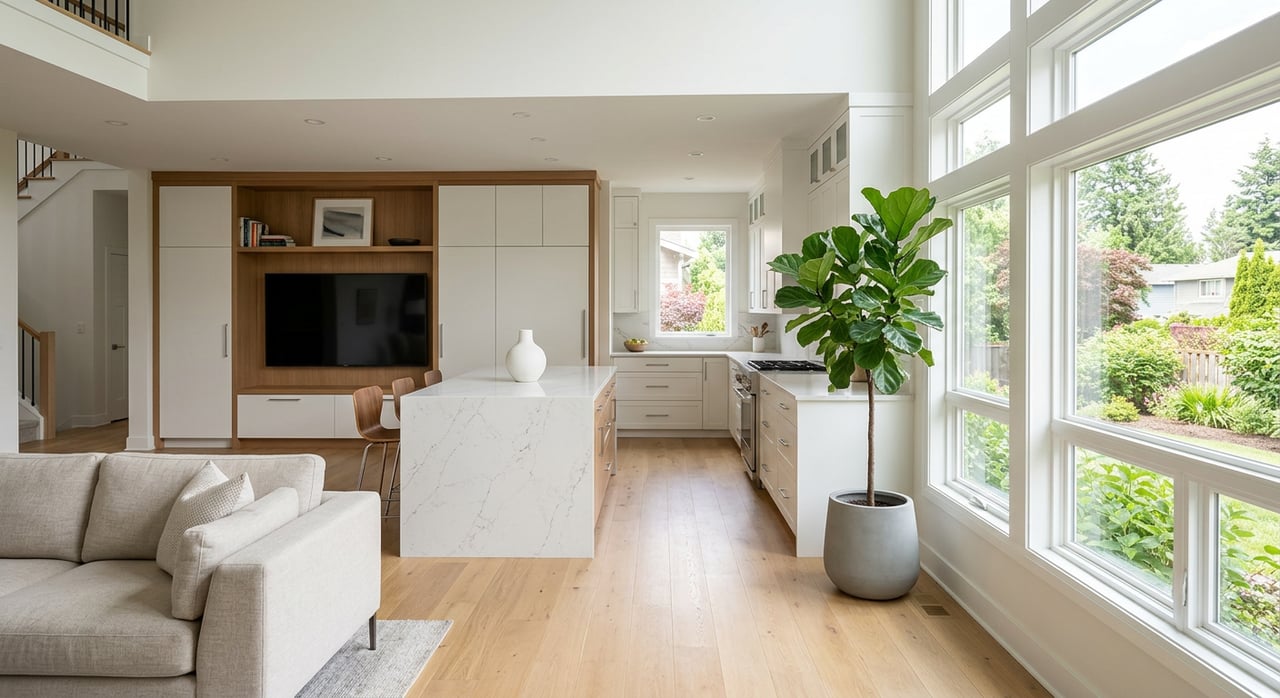
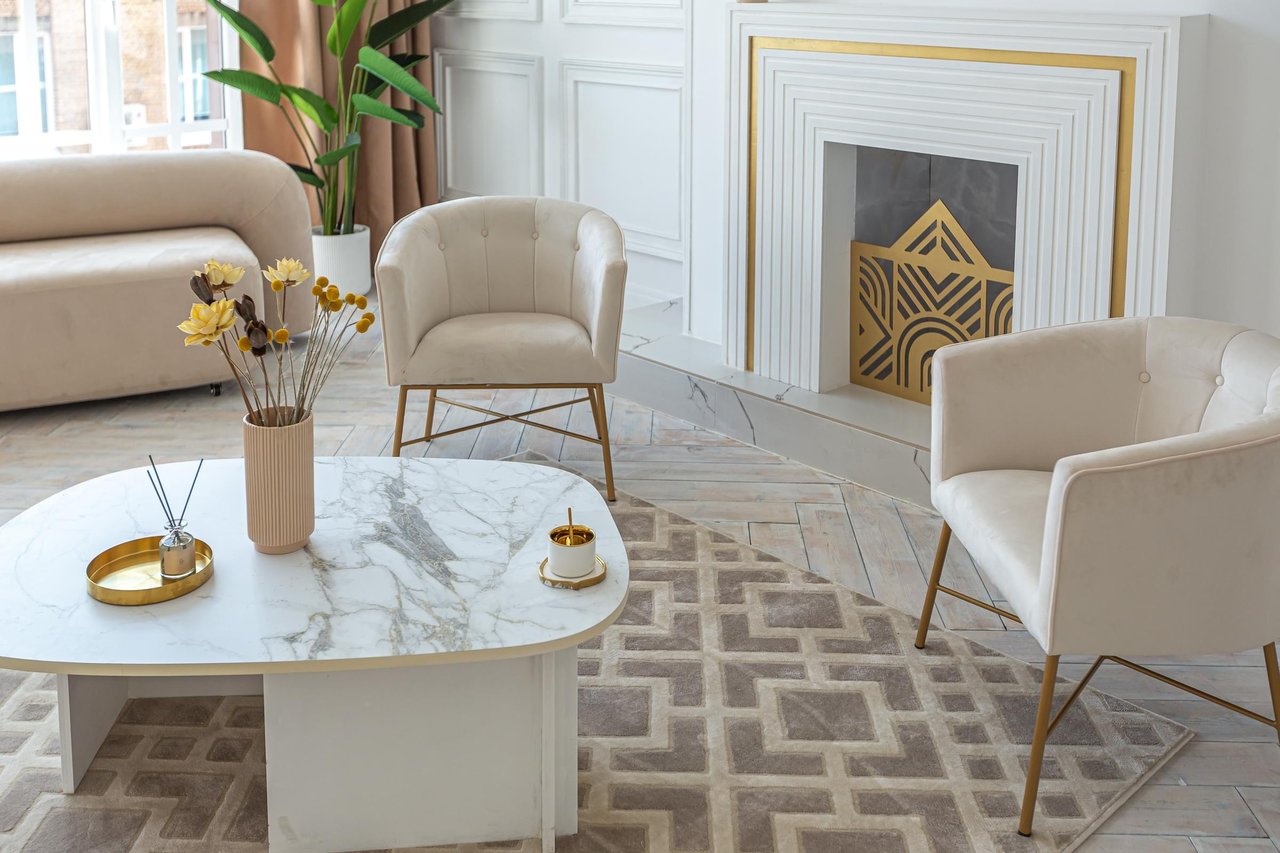
The living room is the top priority room to stage, according to buyers’ agents and sellers’ agents in NAR’s 2025 report. This makes sense because it often appears early in listing photos and helps set the tone for the whole home. Your goal here is to make the room feel open, comfortable, and easy to understand.
Pull furniture away from walls if needed, remove extra side tables, and keep surfaces mostly clear. A simple rug, balanced seating, and a few neutral accessories can make the room feel finished without looking busy.
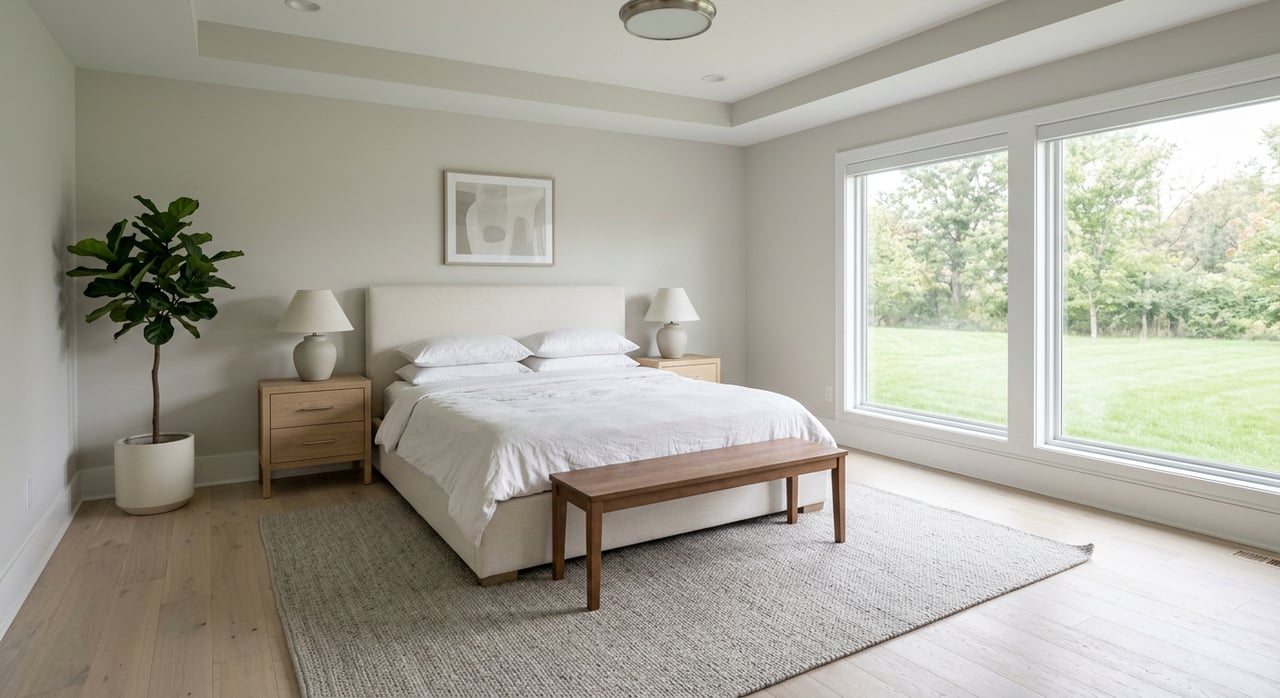
The primary bedroom is another high-impact space. Buyers want it to feel calm, clean, and restful. Crisp bedding, fewer personal items, and clear nightstands can make the room feel larger and more peaceful.
If the room is tight, remove any extra chair, bench, or dresser that interrupts flow. The goal is not to show how much furniture fits. The goal is to show how comfortable the room feels.
Kitchens do not need a lot of styling, but they do need a lot of editing. Clear counters as much as possible, hide small appliances, and remove magnets, papers, and everyday clutter. A single bowl, a small plant, or one neatly placed tray is usually enough.
Since the kitchen is one of the most important rooms to stage, even small updates can help. Fresh touch-up paint, clean grout, polished fixtures, and spotless surfaces can make a bigger difference than adding more décor.
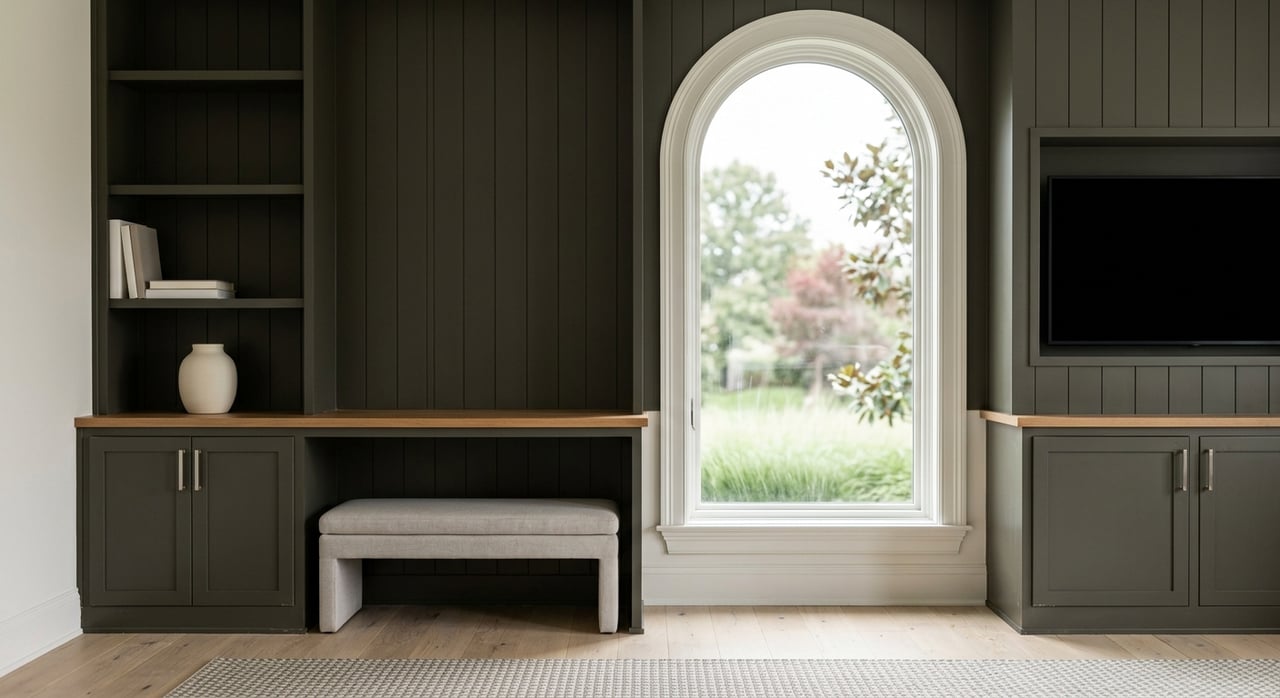
Dining rooms and office or bonus spaces also deserve attention, especially if your home has flexible square footage. Buyers respond well when they can immediately understand how a room functions. If a bonus room currently serves three purposes at once, choose one clear purpose for photos and showings.
A dining area should feel simple and usable. An office should look productive and uncluttered. In both cases, less is usually more.
Photos are a major part of staging, not a separate task. In NAR’s research, 73% of buyers’ agents said photos were much more important or more important to their clients, and 88% of sellers’ agents said the same. That means your home needs to be styled for the camera as much as for in-person showings.
Before photography day, focus on the basics that create the biggest visual impact:
Professional photography works best when the home already feels bright, open, and intentional. If the room looks crowded in person, it will usually look even tighter in photos.
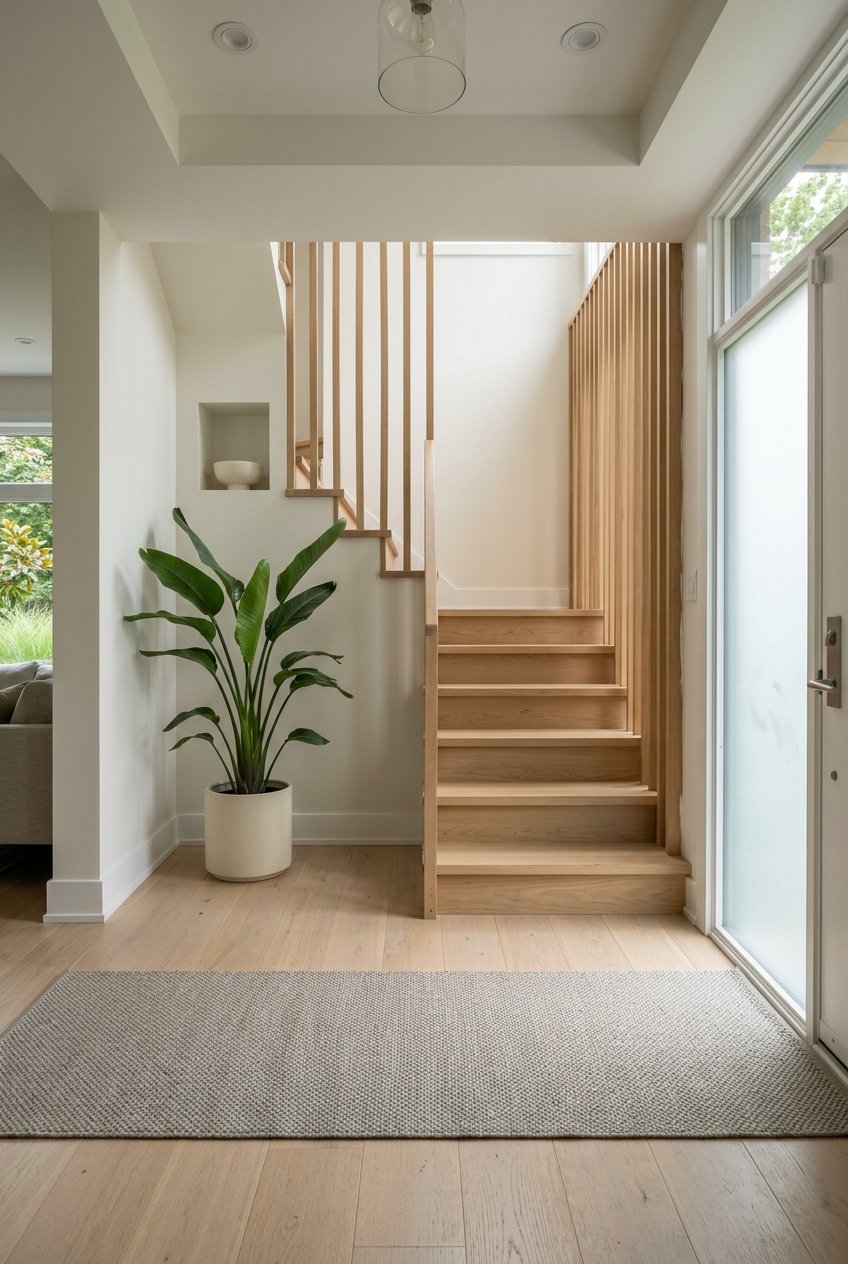
Neutral does not have to mean boring. It means creating a backdrop that helps buyers focus on the home itself instead of your style choices. Fresh neutral wall colors, clean lines, and light layering tend to work well because they make rooms feel airy and adaptable.
If you want to add color, do it with smaller accents instead of repainting entire rooms in bold tones. Pillows, towels, greenery, or art can add warmth without limiting buyer imagination. This is a low-risk way to make the home feel current while keeping the overall look broad and approachable.
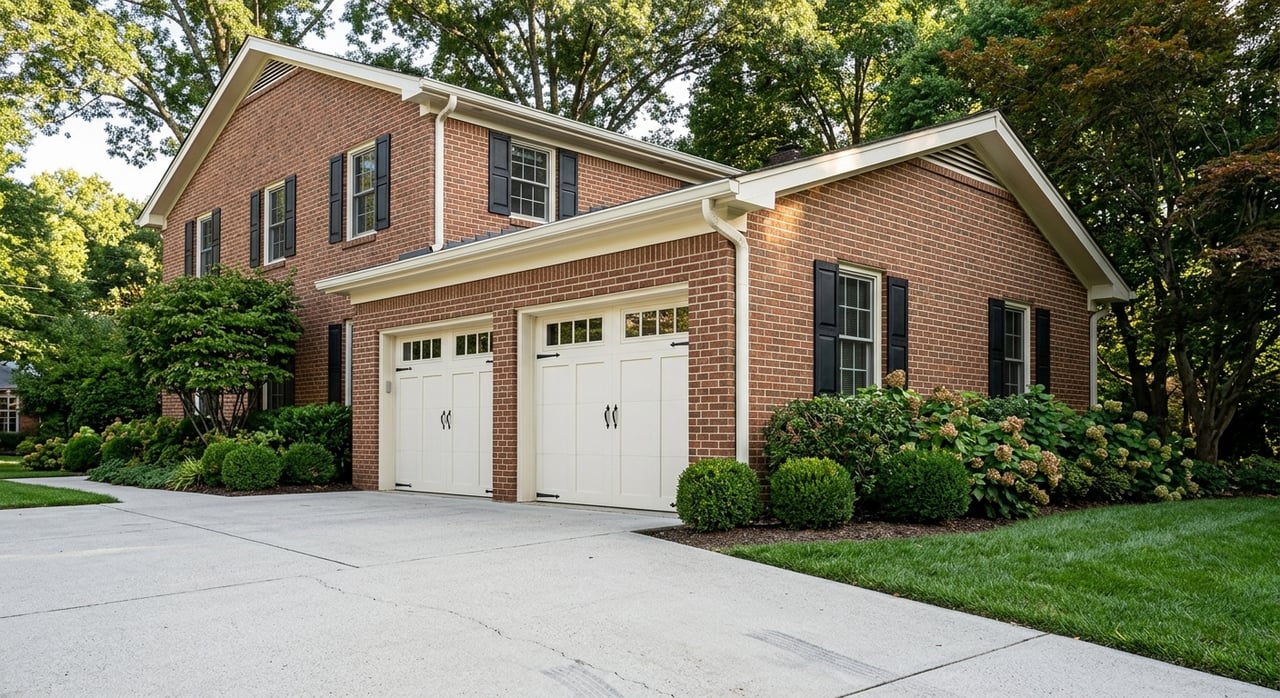
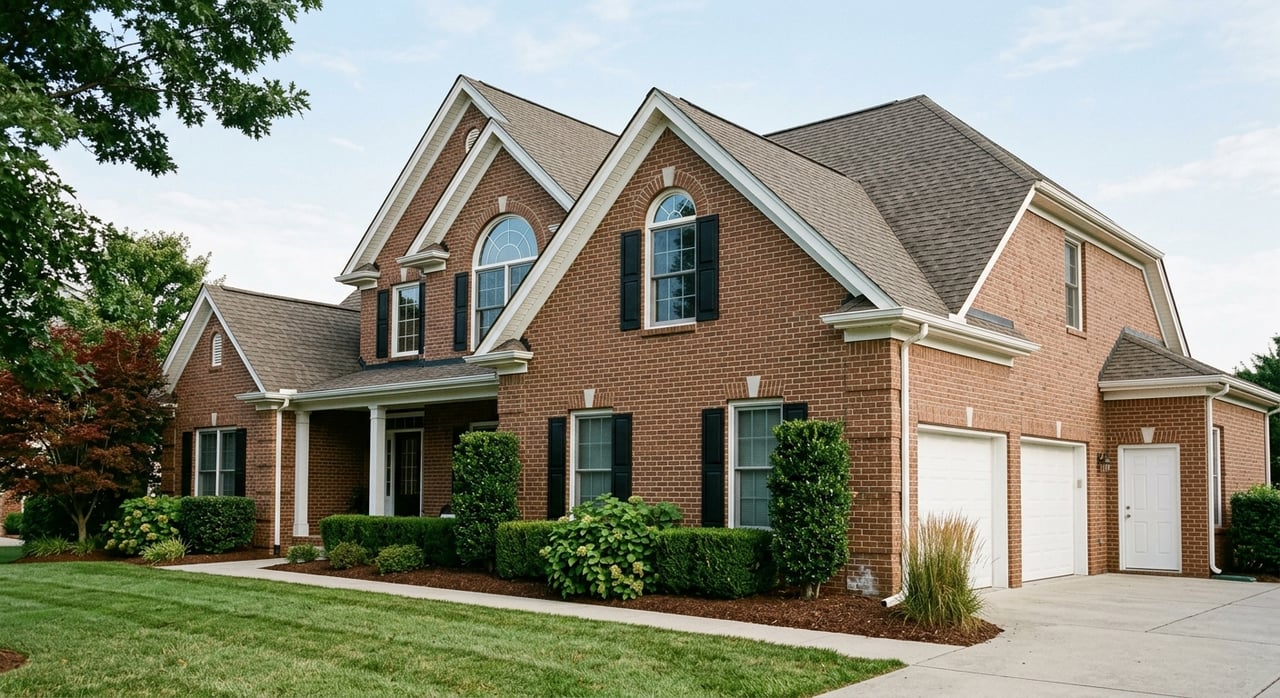
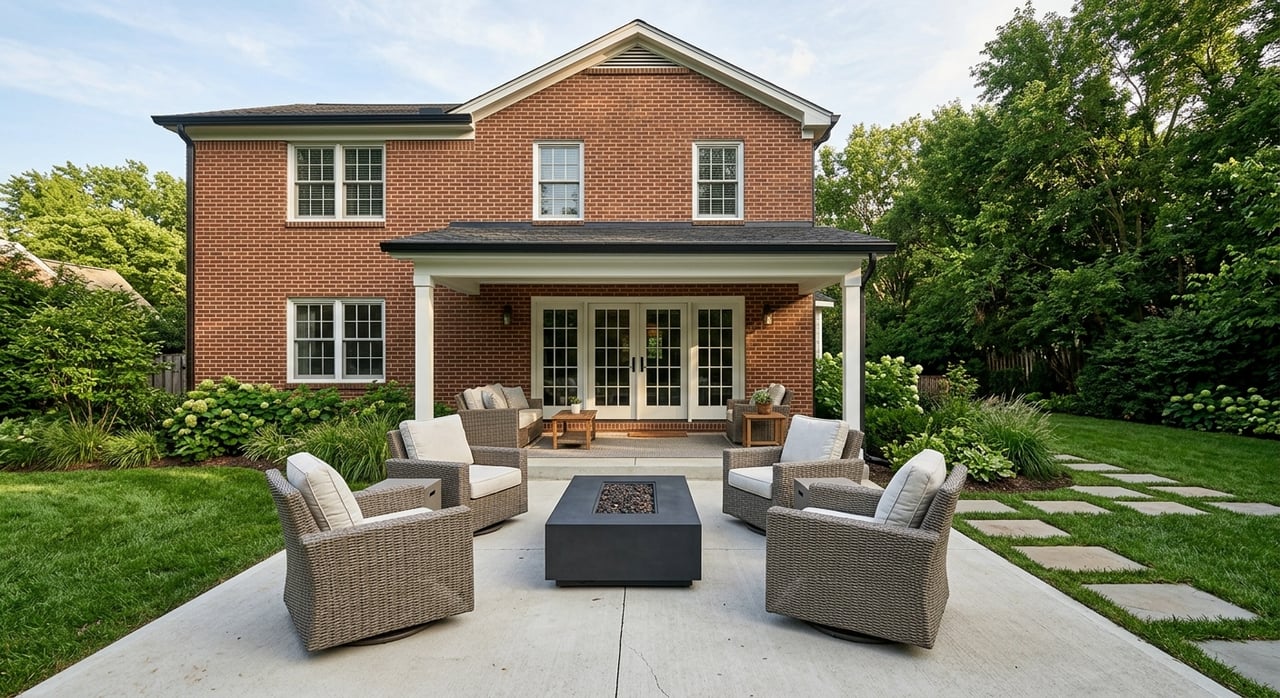
Spring listings in Spring Hill need extra exterior attention. Regional spring weather data for nearby Nashville shows steady rainfall in March, April, and May, so outdoor spaces can quickly look messy, slick, or neglected if they are not maintained.
A few simple exterior tasks can go a long way:
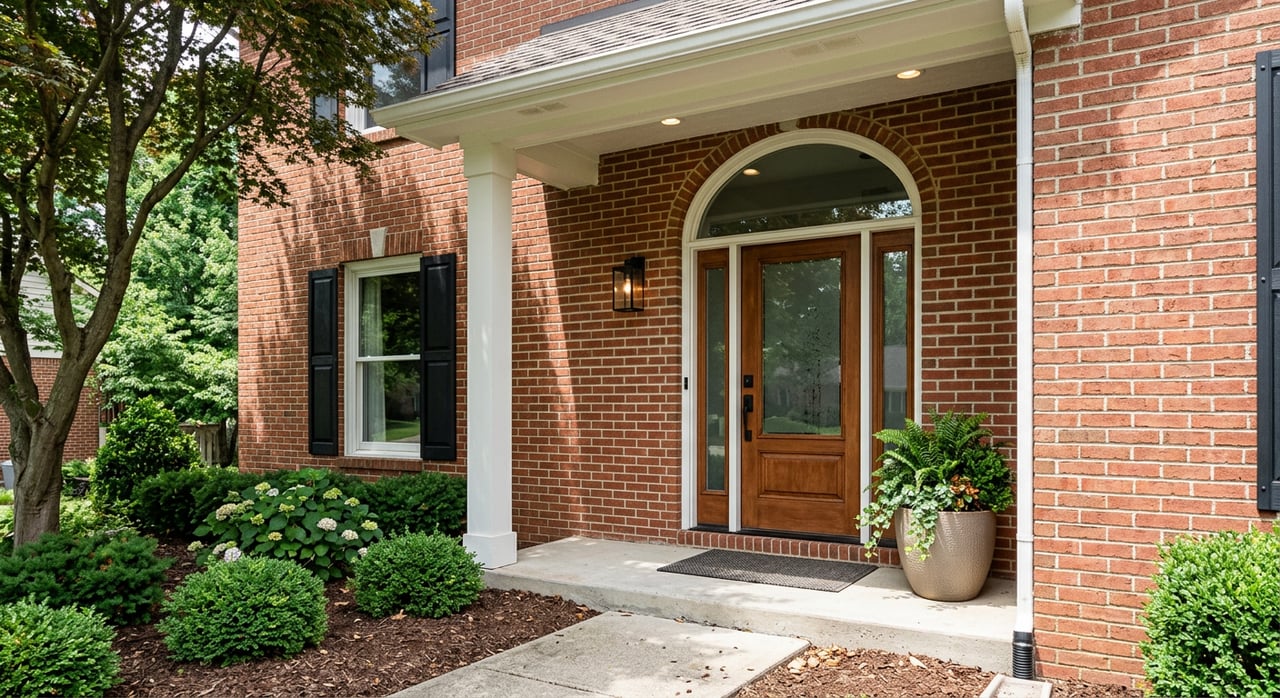
Your exterior is the first photo buyers see and the first impression they get in person. In spring, that fresh and well-kept look can signal that the rest of the home has been cared for too.
Not every home needs full-service professional staging. NAR recognizes self-staging, professional staging, and virtual staging as valid options, and the right choice depends on your budget, whether the home is occupied, and how much editing the space needs.
If your home already has attractive, well-scaled furniture and just needs decluttering and styling, self-staging may be enough with the right plan. If the home feels too personal, too full, or visually inconsistent, professional staging can create a cleaner and more cohesive result.
Virtual staging can be especially useful for vacant homes. It gives buyers a better sense of scale and function in online marketing without requiring every room to be physically furnished.
According to NAR’s 2025 data, the median spend was $1,500 for a staging service and $500 when a seller’s agent personally staged the home. Those numbers can help you think about staging as a marketing investment rather than just another pre-listing expense.
When choosing a staging company, sellers’ agents said the top factors were design quality and price. That tracks with what matters most in a competitive market: your home should look polished, appealing, and worth a buyer’s attention.
If you want a simple plan, start here:
This kind of preparation supports what buyers respond to most: homes that feel move-in ready, well maintained, and easy to understand.
At its best, staging is not about making your home look expensive or overly styled. It is about helping buyers feel comfortable in the space from the moment they see the first photo. In a Spring Hill market where homes may take time to sell and buyers have meaningful choice, that emotional connection matters.
A thoughtful, design-forward presentation can make your home feel brighter, more spacious, and more memorable. It can also support stronger marketing by giving photography and digital promotion a much better starting point.
If you are preparing to sell in Spring Hill and want a smart, polished plan for pricing, presentation, and marketing, Gabrielle Grooters can help you create a listing strategy that fits your home and your goals.

I blend proven market strategies with a passion for interior design to showcase your home at its best and help you move with confidence. Every detail matters—and I'm here to ensure your journey is smooth, supported, and beautifully executed.
Gabrielle Grooters
5083 Main St Spring Hill, TN 37174